
Creative Approaches to Warehouse Redesign Strategies
Transforming old warehouses into functional, modern spaces is an exciting challenge. It requires creativity, vision, and a deep understanding of both the building’s potential and the needs of its future users. When we approach warehouse redesign strategies, we focus on blending the industrial past with contemporary design elements to create spaces that are not only practical but also inspiring.
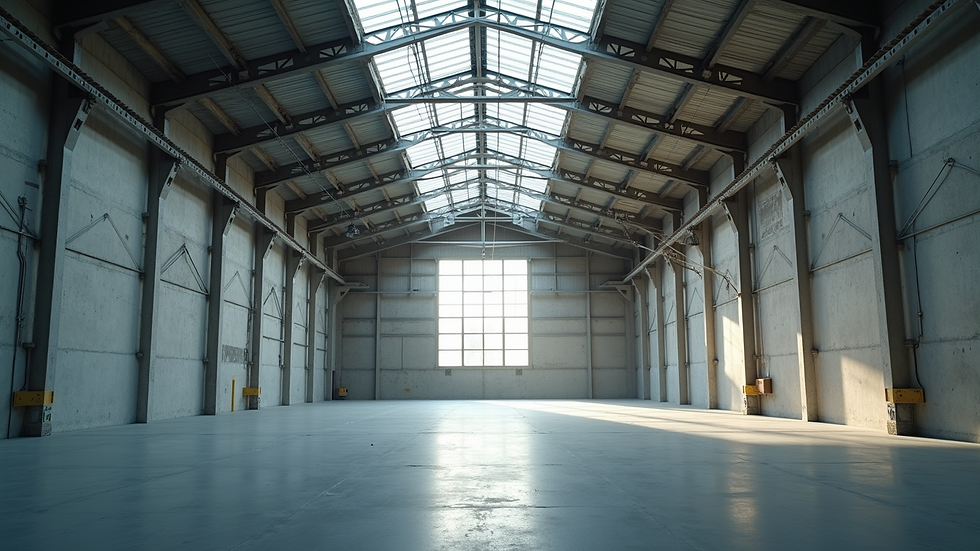
Warehouses offer unique opportunities due to their large open areas, high ceilings, and robust structures. These features allow for flexible layouts and innovative uses. Whether the goal is to create commercial offices, residential lofts, or institutional facilities, the key lies in thoughtful design that respects the building’s history while adapting it for modern use.
Embracing the Industrial Aesthetic
One of the most popular creative approaches to warehouse redesign strategies is to embrace the industrial aesthetic rather than hide it. Exposed brick walls, visible ductwork, and original steel beams can become defining features of the space. This approach celebrates the building’s heritage and adds character that new constructions often lack.
For example, leaving the original concrete floors intact and polishing them can create a sleek, durable surface that complements modern furnishings. Similarly, large factory-style windows can be restored or replaced with energy-efficient versions that maintain the industrial look while improving comfort.
We often recommend incorporating raw materials like reclaimed wood and metal accents to enhance this aesthetic. These elements add warmth and texture, balancing the coolness of concrete and steel. Lighting fixtures with an industrial design, such as pendant lamps with metal shades, can further reinforce the theme.

Warehouse Redesign Strategies for Flexible Use
Flexibility is essential in warehouse redesign strategies. The large, open floor plans typical of warehouses allow for multiple configurations. We encourage designing spaces that can easily adapt to changing needs, whether for commercial, residential, or institutional purposes.
Movable partitions and modular furniture are excellent tools for creating adaptable environments. For instance, a commercial client might need open collaborative areas during the day and private meeting rooms in the afternoon. Modular walls can be reconfigured quickly to accommodate these shifts.
In residential conversions, flexible layouts can maximize the use of space. Open-plan living areas can be divided into distinct zones using sliding doors or shelving units. This approach allows residents to customize their environment without permanent construction.
Additionally, incorporating multi-functional spaces can increase the building’s value and usability. A warehouse converted into a mixed-use facility might include retail on the ground floor, offices on the second, and residential units above. Thoughtful design ensures these different uses coexist harmoniously.
Integrating Natural Light and Ventilation
Natural light and ventilation are critical factors in any warehouse redesign strategy. Many older warehouses were not designed with occupant comfort in mind, so improving these aspects can dramatically enhance the space’s livability and energy efficiency.
We prioritize maximizing daylight by enlarging existing windows or adding skylights. This not only reduces the need for artificial lighting but also creates a more inviting atmosphere. For example, installing clerestory windows high on the walls can bring in light without sacrificing privacy.
Ventilation is equally important, especially in spaces intended for residential or institutional use. We often incorporate operable windows and strategically placed vents to promote airflow. In some cases, integrating green walls or indoor gardens can improve air quality and add a natural element to the design.
Energy-efficient HVAC systems tailored to the building’s layout help maintain comfortable temperatures year-round. Combining these systems with natural ventilation reduces energy consumption and supports sustainability goals.
Preserving Historical Elements While Modernizing
A successful warehouse conversion balances preservation with modernization. We believe that respecting the building’s history adds depth and authenticity to the design. At the same time, modern amenities and technologies are essential for functionality and comfort.
Preserving original architectural details such as brickwork, wooden trusses, or vintage signage can create a strong visual connection to the past. These elements often become focal points in the design, telling a story that resonates with occupants and visitors alike.
Modern interventions should be carefully integrated to complement rather than overshadow historical features. For example, installing sleek glass partitions can provide privacy without blocking views of exposed brick walls. Similarly, contemporary lighting can highlight architectural details while providing practical illumination.
Incorporating smart building technologies enhances the user experience. Automated lighting, climate control, and security systems can be seamlessly integrated into the design, ensuring the space meets today’s standards without compromising its character.
Sustainable Design Practices in Warehouse Conversion
Sustainability is a crucial consideration in any warehouse redesign strategy. Repurposing existing structures inherently reduces waste and the environmental impact of new construction. However, there are additional steps we take to ensure these projects are as green as possible.
We prioritize the use of recycled and locally sourced materials to minimize the carbon footprint. For example, reclaimed wood flooring or recycled steel fixtures not only support sustainability but also add unique textures and stories to the space.
Energy efficiency is another focus area. Upgrading insulation, installing energy-efficient windows, and using LED lighting all contribute to reducing energy consumption. Incorporating renewable energy sources, such as solar panels on the roof, can further enhance sustainability.
Water conservation measures, like low-flow fixtures and rainwater harvesting systems, are also integrated when possible. These features support long-term operational savings and environmental responsibility.
By combining these sustainable practices with creative design, we create warehouse conversions that are not only beautiful and functional but also environmentally conscious.
Bringing It All Together: A Holistic Approach
When we undertake a warehouse conversion project, we view it as a holistic process. Every design decision, from structural modifications to interior finishes, contributes to the overall success of the space. Our goal is to create environments that serve their intended purpose while enriching the community and respecting the building’s legacy.
We collaborate closely with clients to understand their vision and requirements. This partnership ensures that the final design aligns with their goals and the unique context of the Chicago Metropolitan Area. By integrating architecture, management, and construction processes, we deliver projects that are efficient, innovative, and impactful.
If you are considering a warehouse conversion, we encourage you to think creatively and embrace the possibilities. The right design approach can transform an old industrial building into a vibrant, functional space that meets today’s needs and anticipates tomorrow’s challenges.
Explore more about warehouse conversion design to discover how these creative strategies can be tailored to your project.
Moving Forward with Warehouse Redesign
The journey of converting a warehouse is both challenging and rewarding. It requires vision, expertise, and a commitment to quality. By applying creative warehouse redesign strategies, we can unlock the full potential of these remarkable structures.
Whether adapting a warehouse for commercial, residential, or institutional use, the principles remain the same: respect the past, embrace flexibility, enhance comfort, and prioritize sustainability. These guiding ideas help us create spaces that are not only functional but also inspiring and enduring.
As we continue to innovate and refine our approach, we look forward to shaping the future of warehouse conversions in the Chicago area. Together, we can transform these industrial relics into vibrant hubs of activity and community life.


Comments