
Nature's Role in Modern Architecture
In recent years, the integration of natural elements into building design has gained significant momentum. This approach, known as biophilic architectural design, emphasizes the connection between humans and nature within the built environment. As we explore this concept, we will uncover how incorporating nature into architecture not only enhances aesthetics but also improves well-being, sustainability, and functionality. By embracing biophilic design principles, we can create spaces that resonate deeply with their occupants and the surrounding environment.
Understanding Biophilic Architectural Design
Biophilic architectural design is more than just adding plants or natural materials to a building. It is a thoughtful, intentional process that seeks to reconnect people with the natural world. This design philosophy draws inspiration from nature’s patterns, textures, and forms to create environments that promote health, creativity, and comfort.
For example, consider a commercial office space that features large windows overlooking a green courtyard, natural wood finishes, and water elements. These features do not merely serve decorative purposes; they actively contribute to reducing stress, improving air quality, and enhancing productivity. Studies have shown that occupants in biophilic environments report higher satisfaction and lower absenteeism.
Incorporating biophilic design can take many forms, including:
Natural light maximization: Designing spaces to allow ample daylight reduces reliance on artificial lighting and supports circadian rhythms.
Use of natural materials: Wood, stone, and other organic materials create tactile and visual connections to nature.
Indoor plants and green walls: These elements improve air quality and add visual interest.
Water features: The sound and sight of water can have calming effects.
Views of nature: Providing sightlines to outdoor greenery or natural landscapes enhances mental well-being.
By integrating these elements, architects and designers can craft spaces that feel alive and inviting.

The Benefits of Biophilic Architectural Design in Urban Settings
Urban environments often lack sufficient green spaces, which can lead to feelings of isolation and stress. Biophilic architectural design addresses this challenge by bringing nature indoors and creating seamless transitions between interior and exterior spaces. This approach is particularly valuable in dense metropolitan areas like Chicago, where access to natural landscapes may be limited.
Incorporating biophilic elements in urban buildings offers several benefits:
Enhanced occupant well-being: Exposure to natural elements reduces stress and improves mood.
Increased productivity: Natural light and views of greenery have been linked to better focus and creativity.
Energy efficiency: Thoughtful design that maximizes daylight and natural ventilation reduces energy consumption.
Community engagement: Green spaces and natural features encourage social interaction and foster a sense of belonging.
Sustainability: Using renewable materials and integrating green infrastructure supports environmental stewardship.
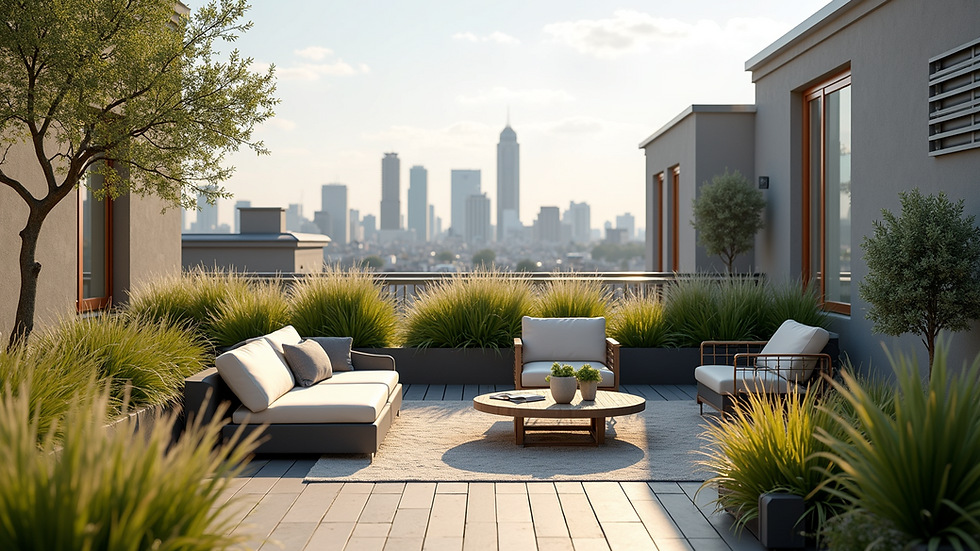
For instance, a residential building in Chicago might feature a rooftop garden, natural ventilation systems, and large operable windows. These features not only create a healthier living environment but also reduce the building’s carbon footprint.
By prioritizing biophilic design, we can transform urban architecture into spaces that nurture both people and the planet.
Practical Strategies for Integrating Nature into Architecture
Implementing biophilic architectural design requires a strategic approach that balances aesthetics, functionality, and sustainability. Here are some actionable recommendations for incorporating nature into your next project:
1. Site Analysis and Contextual Design
Begin by studying the site’s natural features, climate, and surroundings. Use this information to orient the building for optimal sunlight, views, and natural ventilation. Respecting the local ecosystem and topography ensures the design harmonizes with its environment.
2. Maximize Natural Light
Design spaces with large windows, skylights, and light wells to bring in daylight. Use shading devices to control glare and heat gain. Natural light not only reduces energy costs but also enhances occupant comfort.
3. Incorporate Natural Materials
Select materials that reflect the local environment, such as reclaimed wood, stone, or bamboo. These materials add warmth and texture while reducing environmental impact.
4. Create Indoor Green Spaces
Integrate plants through living walls, planters, or atriums. Choose species that thrive indoors and require minimal maintenance. Indoor greenery improves air quality and creates a calming atmosphere.
5. Use Water Elements Thoughtfully
Incorporate fountains, reflecting pools, or water walls to introduce soothing sounds and visual interest. Water features can also help regulate humidity and temperature.
6. Design for Views and Connectivity
Position windows and openings to frame natural views. Create visual and physical connections between indoor and outdoor spaces through terraces, balconies, or courtyards.
7. Employ Biomimicry
Draw inspiration from nature’s forms and systems to solve design challenges. For example, designing ventilation systems that mimic termite mounds can improve airflow and reduce energy use.
By applying these strategies, architects can create buildings that celebrate the synergy between human-made structures and the natural world.
The Future of Architecture: A Harmonious Blend of Nature and Innovation
As we look ahead, the role of nature in architecture will only grow in importance. Advances in technology and materials allow us to push the boundaries of biophilic design, creating smarter, more responsive buildings. For example, dynamic facades that adjust to sunlight or green roofs that support biodiversity are becoming increasingly common.
Moreover, the integration of nature aligns with broader goals of sustainability and resilience. Buildings designed with natural systems in mind are better equipped to adapt to climate change and reduce environmental impact.
At CH + Architects, we recognize the value of blending innovation with nature. Our projects in the Chicago Metropolitan Area reflect a commitment to community-focused design that respects both people and place. By embracing biophilic architectural design, we aim to lead the way in creating spaces that inspire, nurture, and endure.
For those interested in exploring this approach further, resources on architecture and nature provide valuable insights and case studies.
Bringing Nature Into Your Next Project
Incorporating biophilic architectural design is not just a trend - it is a meaningful shift towards creating healthier, more sustainable environments. Whether you are planning a commercial office, a residential complex, or an institutional facility, integrating natural elements can transform your space.
To get started:
Engage with experienced architects who understand biophilic principles.
Prioritize natural light and ventilation in your design brief.
Select materials and plants that complement your local climate and aesthetic.
Consider the user experience, focusing on comfort, health, and connection to nature.
Plan for long-term sustainability by incorporating energy-efficient systems and green infrastructure.
By taking these steps, you can ensure your project not only meets functional needs but also enriches the lives of its occupants.
Nature has always been a source of inspiration and well-being. Today, through biophilic architectural design, we have the opportunity to bring that inspiration into the heart of our built environment. Together, we can create spaces that honor the natural world while serving the needs of modern life.


Comments