
Core Principles of Biophilic Design
In our fast-paced world, where urban environments dominate, reconnecting with nature has become more important than ever. Biophilic design offers a powerful way to bring the natural world into our built environments. By integrating natural elements, patterns, and processes, we create spaces that promote well-being, productivity, and comfort. At CH + Architects, we understand how essential these principles are for creating meaningful, community-focused projects in the Chicago Metropolitan Area. Let’s explore the core principles of biophilic design and how they can transform commercial, residential, and institutional spaces.
Understanding the Principles of Biophilic Design
Biophilic design is rooted in the idea that humans have an innate connection to nature. This connection influences our health, mood, and cognitive function. The principles of biophilic design guide us in incorporating natural elements into architecture and interiors in a way that feels organic and purposeful.
These principles can be broadly categorized into three groups:
Nature in the Space - Direct elements like plants, water, and natural light.
Natural Analogues - Indirect elements such as natural materials, colors, and patterns.
Nature of the Space - Spatial configurations that mimic natural environments, such as refuge and prospect.
By applying these categories thoughtfully, we create environments that foster a sense of calm, creativity, and connection.
Practical Examples of Nature in the Space
Incorporating direct natural elements is often the most visible aspect of biophilic design. For example, large windows that maximize daylight and provide views of greenery can significantly improve occupant satisfaction. Indoor gardens, living walls, and water features also bring nature inside, enhancing air quality and reducing stress.
In a commercial office, we might design a central atrium filled with native plants and a small water feature. This not only beautifies the space but also creates a natural gathering spot that encourages collaboration and relaxation.

Key Principles of Biophilic Design in Practice
To implement biophilic design effectively, we focus on several key principles that guide our architectural and construction decisions:
1. Visual Connection to Nature
Humans respond positively to views of natural landscapes. Providing clear sightlines to trees, water, or sky can reduce stress and improve mood. In Chicago’s urban environment, this might mean orienting windows toward parks or incorporating rooftop gardens.
2. Non-Visual Connection to Nature
Beyond sight, nature engages our other senses. The sound of water, the scent of wood, or the texture of stone can all evoke a natural experience. Using materials like reclaimed wood or natural stone flooring adds tactile richness and authenticity.
3. Presence of Water
Water is a powerful element in biophilic design. It can be integrated through fountains, reflecting pools, or even aquariums. The gentle sound of flowing water soothes and refreshes, making spaces feel more alive.
4. Dynamic and Diffuse Light
Natural light changes throughout the day, creating a dynamic environment. Designing spaces with skylights, light shelves, or translucent materials allows occupants to experience this natural rhythm, which supports circadian health.
5. Connection to Natural Systems
This principle involves designing spaces that reflect natural cycles and processes. For example, using materials that age gracefully or designing for seasonal changes in light and temperature helps occupants feel connected to the environment.
6. Biomorphic Forms and Patterns
Shapes and patterns found in nature, such as spirals, fractals, and leaf veins, can be incorporated into architectural details, furniture, and finishes. These forms resonate with our innate preferences and create visual interest.
7. Material Connection to Nature
Using natural materials like wood, stone, bamboo, and wool not only enhances aesthetics but also improves indoor air quality and comfort. These materials bring warmth and texture that synthetic alternatives often lack.
8. Complexity and Order
Natural environments balance complexity with order. Spaces that are too chaotic or too sterile can feel uncomfortable. Biophilic design seeks to create environments with layered details and harmonious proportions.
9. Prospect and Refuge
This principle relates to spatial experience. Prospect refers to open views and the ability to see without being seen, while refuge offers sheltered, safe spaces. Together, they create environments where people feel secure yet connected.
10. Mystery and Exploration
Designing spaces that invite curiosity and discovery encourages engagement. This might include winding pathways, partially obscured views, or varied textures that reward exploration.
11. Risk and Peril
While this principle is less commonly applied in commercial settings, it involves controlled exposure to elements that stimulate alertness, such as elevated walkways or transparent floors. When done thoughtfully, it can add excitement and engagement.
Integrating Biophilic Design in Chicago Projects
Chicago’s unique climate and urban fabric present both challenges and opportunities for biophilic design. We must consider seasonal changes, urban density, and local ecology when planning projects.
Seasonal Adaptation
Chicago experiences cold winters and hot summers. Designing with biophilic principles means creating spaces that adapt to these conditions. For example, operable windows and sunshades can regulate temperature and light. Indoor plant selections should include species that thrive in varying light and humidity levels.
Urban Green Spaces
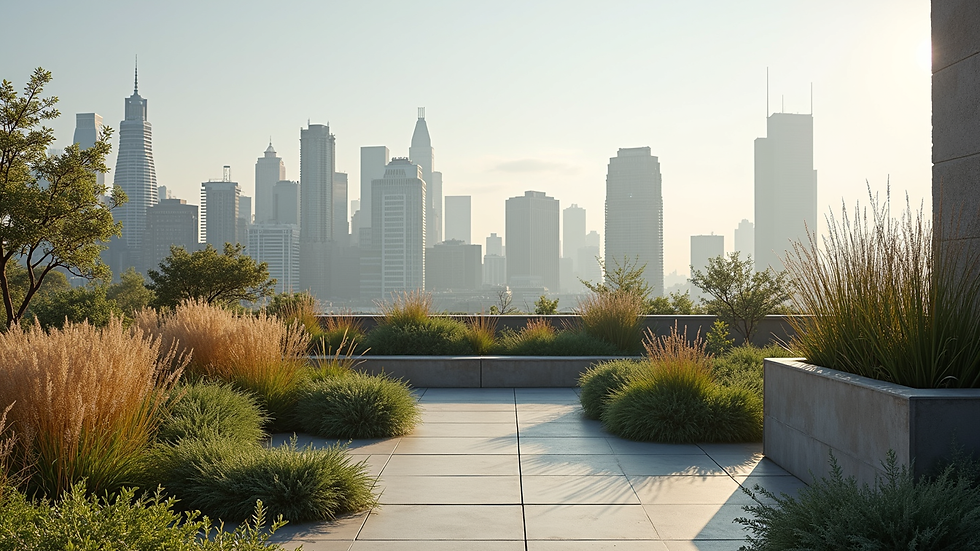
In dense urban areas, access to green space is limited. We can compensate by integrating green roofs, vertical gardens, and pocket parks into our designs. These features not only improve aesthetics but also support biodiversity and stormwater management.
Community Engagement
Biophilic design also supports community well-being. Designing public plazas with natural elements encourages social interaction and outdoor activity. Incorporating native plants and natural materials connects residents to the local environment and heritage.
How We Apply Biophilic Design Principles at CH + Architects
At CH + Architects, we believe that biophilic design is more than a trend - it is a commitment to creating healthier, more sustainable environments. Our approach includes:
Collaborative Planning: We work closely with clients to understand their needs and the site’s natural context.
Site Analysis: We assess natural light, views, wind patterns, and existing vegetation to inform design decisions.
Material Selection: We prioritize locally sourced, natural materials that age well and support indoor air quality.
Innovative Solutions: From green walls to daylighting strategies, we integrate biophilic elements that enhance user experience.
Sustainability Focus: Our designs aim to reduce energy use and support ecological health.
By embedding these principles into every project, we help clients create spaces that are not only beautiful but also restorative and resilient.
Embracing Biophilic Design for a Better Future
The benefits of biophilic design extend beyond aesthetics. Research shows that environments infused with natural elements can reduce stress, improve cognitive function, and boost overall well-being. For commercial spaces, this translates into higher productivity and employee satisfaction. For residential and institutional clients, it means healthier, more comfortable living and learning environments.
As we continue to develop projects in the Chicago Metropolitan Area, we remain committed to advancing biophilic design principles. By doing so, we contribute to a future where architecture and nature coexist harmoniously, enriching the lives of all who experience our work.
If you want to learn more about how to incorporate biophilic design principles into your next project, we invite you to reach out. Together, we can create spaces that inspire, nurture, and connect.


Comments