
Integrating Nature into Architectural Design: Embracing Nature-Inspired Architecture
In our rapidly urbanizing world, the need to reconnect with the natural environment has never been more urgent. As architects, designers, and builders, we have a unique opportunity to bridge the gap between the built environment and the natural world. Integrating nature into architectural design is not just a trend; it is a thoughtful approach that enhances well-being, sustainability, and aesthetic appeal. By embracing nature-inspired architecture, we create spaces that breathe life, foster community, and respect the environment.
The Essence of Nature-Inspired Architecture
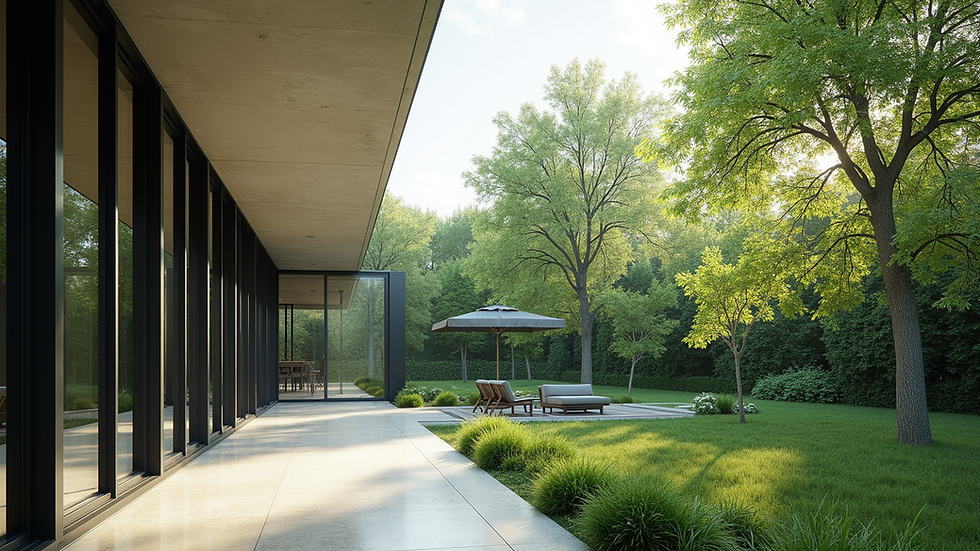
Nature-inspired architecture draws its principles from the organic forms, patterns, and processes found in the natural world. It goes beyond simply adding plants or green roofs; it involves a holistic design philosophy that harmonizes buildings with their surroundings. This approach encourages the use of natural materials, maximizes natural light and ventilation, and incorporates biophilic elements that connect occupants with nature.
For example, in the Chicago area, where seasonal changes are pronounced, designing buildings that respond to sunlight angles and prevailing winds can significantly improve energy efficiency and occupant comfort. Large windows facing south can capture winter sunlight, while overhangs and deciduous trees provide shade in summer. These strategies reflect a deep understanding of the local environment and demonstrate how nature-inspired architecture can be both beautiful and practical.
Practical Strategies for Integrating Nature into Design
To successfully integrate nature into architectural projects, we must consider several key strategies that can be adapted to commercial, residential, and institutional buildings alike:
Site Analysis and Contextual Design
Begin with a thorough analysis of the site’s natural features, including topography, vegetation, water sources, and climate. This knowledge informs decisions about building orientation, massing, and landscaping. For instance, preserving existing mature trees not only maintains biodiversity but also provides natural shading and wind protection.
Use of Natural Materials
Incorporate materials such as wood, stone, bamboo, and clay that age gracefully and have low environmental impact. These materials create tactile and visual connections to nature, enhancing the sensory experience of the space.
Biophilic Design Elements
Integrate living walls, indoor gardens, water features, and natural textures to foster a sense of calm and well-being. Studies show that biophilic design can reduce stress, improve productivity, and promote healing.
Maximizing Natural Light and Ventilation
Design windows, skylights, and ventilation systems to optimize daylight and fresh air. This reduces reliance on artificial lighting and mechanical cooling, lowering energy consumption and improving indoor air quality.
Green Roofs and Sustainable Landscaping
Green roofs provide insulation, reduce stormwater runoff, and create habitats for urban wildlife. Sustainable landscaping with native plants supports local ecosystems and requires less maintenance.
By applying these strategies thoughtfully, we create buildings that are not only environmentally responsible but also inviting and inspiring.
The Role of Technology in Nature-Inspired Architecture
Technology plays a crucial role in advancing nature-inspired architecture. Innovations in building materials, energy systems, and digital modeling enable us to design more efficiently and sustainably. For example:
Building Information Modeling (BIM) allows us to simulate environmental conditions and optimize building performance before construction begins.
Smart glass technology adjusts transparency to control heat gain and glare, enhancing occupant comfort while reducing energy use.
Renewable energy systems, such as solar panels and geothermal heating, can be seamlessly integrated into designs that respect the natural landscape.
These technologies complement natural design principles, helping us achieve a balance between modern functionality and ecological sensitivity.
Case Studies: Nature-Inspired Architecture in Practice
Let’s explore some real-world examples that illustrate the power of integrating nature into architectural design:
The Chicago Botanic Garden Visitor Center
This building exemplifies how architecture can blend with its environment. The design incorporates green roofs, extensive glazing for natural light, and materials sourced locally. The center’s layout encourages visitors to experience the surrounding gardens, creating a seamless indoor-outdoor connection.
A Residential Project with Passive Solar Design
In a recent residential project, we oriented the home to maximize southern exposure, installed operable windows for cross-ventilation, and used reclaimed wood for finishes. Native plants surround the property, reducing irrigation needs and supporting local wildlife.
These examples demonstrate how nature-inspired architecture can be tailored to diverse project types while delivering tangible benefits.

Moving Forward with Nature-Inspired Architecture
As we continue to develop projects in the Chicago Metropolitan Area, our commitment to integrating nature into architectural design remains steadfast. We recognize that the relationship between architecture and nature is not incidental but essential. By embracing this philosophy, we create spaces that are healthier, more sustainable, and more connected to the communities they serve.
We encourage clients and collaborators to consider nature-inspired architecture as a guiding principle. Together, we can design buildings that honor the environment, enhance quality of life, and stand as lasting examples of thoughtful innovation.
In the end, integrating nature into architecture is about more than aesthetics. It is about creating harmony - between people, buildings, and the natural world. It is about designing with intention, care, and respect for the planet we all share.


Comments